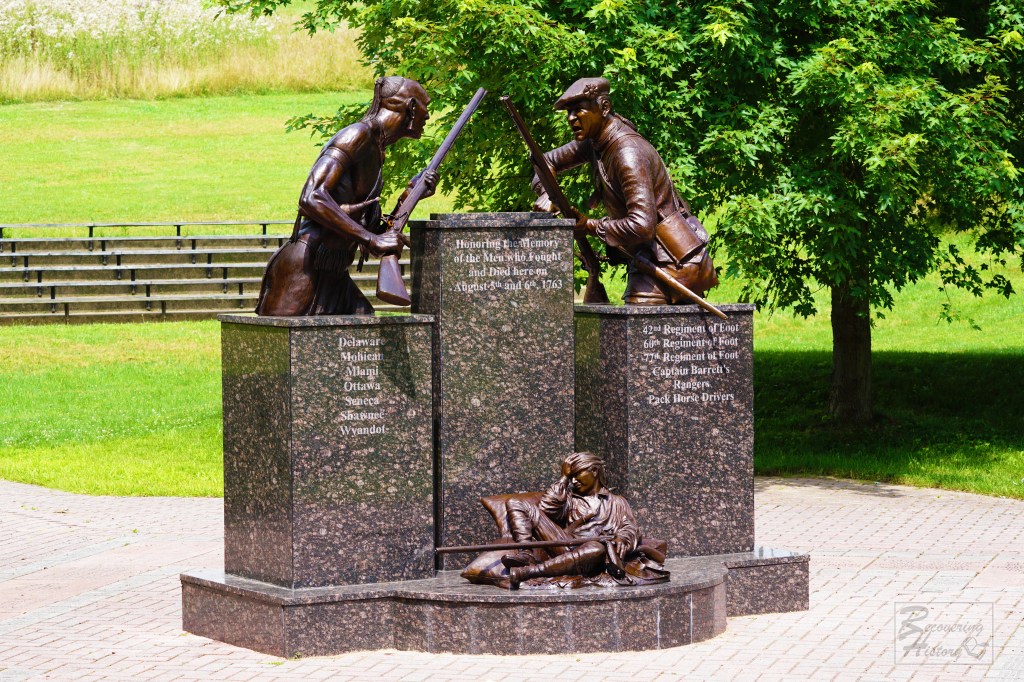
1763 proved to be a fateful year for England and her colonies as the French and Indian War came to an end. Massive amounts of land would change hands between the European Imperial powers. According to Historian Colin Galloway in his book The Scratch of a Pen “the enormity of Britain’s victory seemed to herald a new world order (Galloway, 10).” England found themselves as the solitary holder of most of the colonial holdings on the North American continent save for the Spanish west of the Mississippi River and small Russian settlements on the west coast. They also found themselves nearly bankrupt with little capital to administer and protect those new colonies.
These colonies were inhabited by people who lived spread out with cities of much smaller population. Galloway states that in 1763 “less than one person in twenty lived in a city” whereas at present one out of four inhabitants in North American do not live in an urban center (Galloway, 34). In 1763, the inhabitants of the colonies were looking forward to the increased potential of these new and available lands as well as a firmer position in the British Empire which they fought to build. However, the beginnings of increased taxation would alienate some facets of society. England now found themselves in the unenviable position of governing an increasingly alienated population, subduing or circumventing Native American tribes, and including previously foreign populations into their fold.
Granted at the end of the French and Indian War “the British government had plans to regulate and limit contests for lands but the scope and intensity of the contests defied regulation (Galloway, 48).” Settlers in the colonies saw westward expansion as an opportunity for wealth despite its inhabitation by many independent native american communities. This constant expansion and interconnectedness between European immigrants and established Native communities was evident throughout much of the early 18th century. Numerous Negotiators and Indian agents such as Conrad Weiser, Sir William Johnson, and Andrew Montour maneuvered back and forth between societies negotiating treaties and handling land disputes.
Within this context began Pontiac’s War, what Galloway characterized as an explosion of Indian Resistance to the new boundaries and English policies in the post French and Indian War world. “The French and Indian war eroded possibilities of peaceful coexistence, left a bitter legacy, and assured a bloody future,” stated Galloway (Galloway, 16). Small communities of Colonial interlopers continuously pushed Native Americans into corners from which they had no choice but defend themselves. Starting in Detroit, Pontiac would create a confederation of Native American tribes that would make the frontier tremble for a year.
In May of 1763, The war would start with Pontiac attempting to take Detroit by ruse. Failing that due to an alerted Garrison, Pontiac would go on to take a series of smaller forts between Fort Detroit and Fort Pitt. Pontiac’s warriors would eventually lay siege to Fort Pitt at the confluence of the Allegheny, Monongahela, and Ohio Rivers. Starting in July 1763, Colonel Henry Bouquet would start out from Carlisle, PA with 500 British soldiers in hopes of lifting the siege. The English army and Pontiac’s warriors would cross paths in the Pennsylvania Woodlands at Bushy Run.
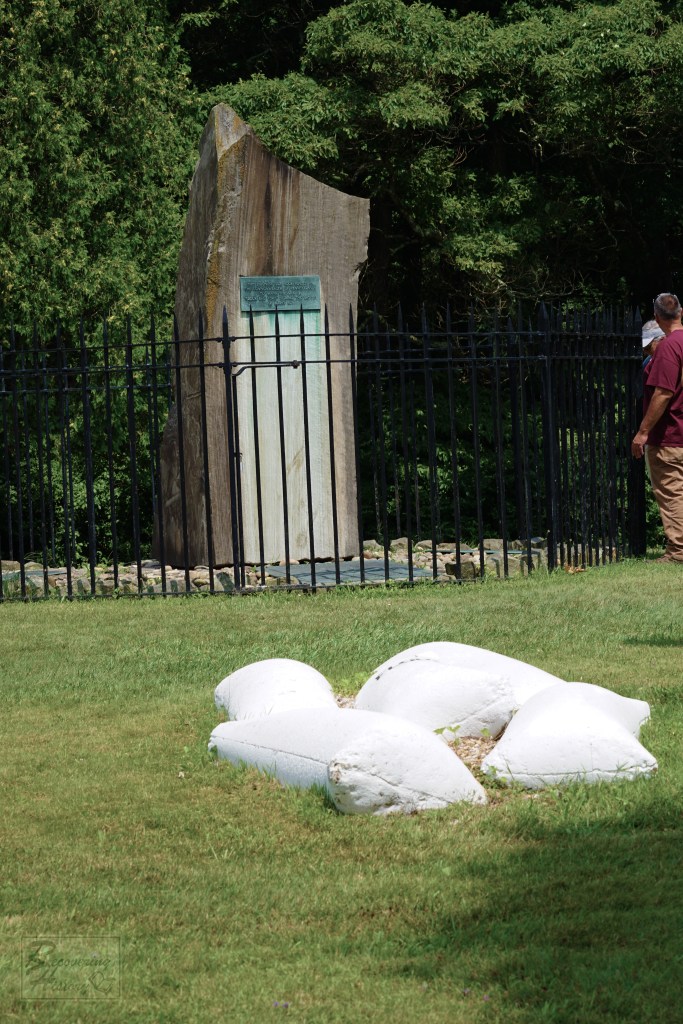
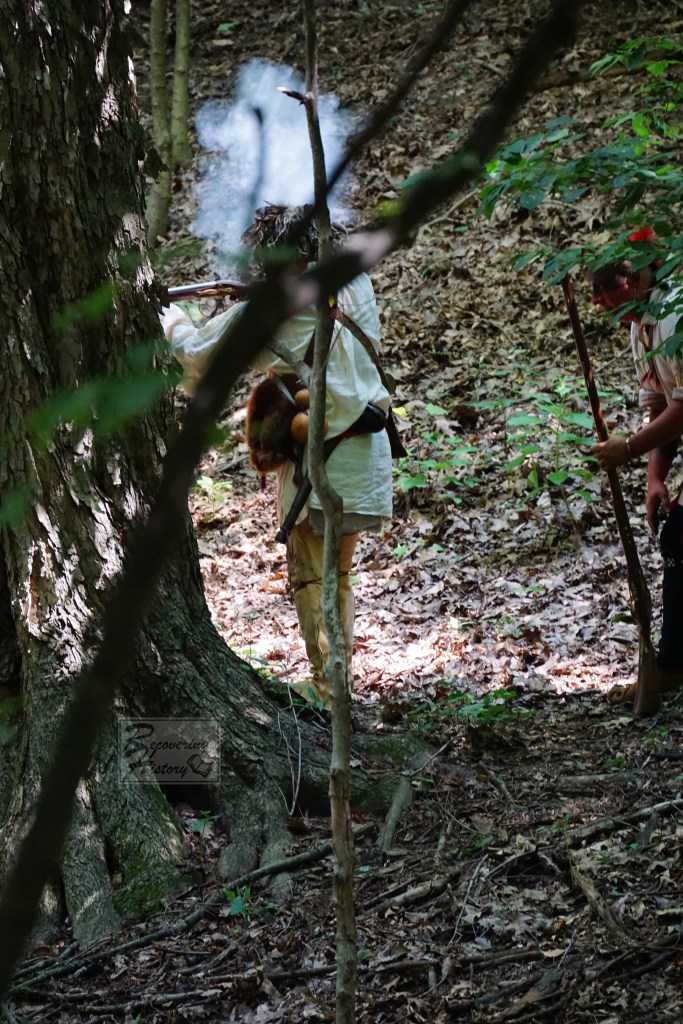
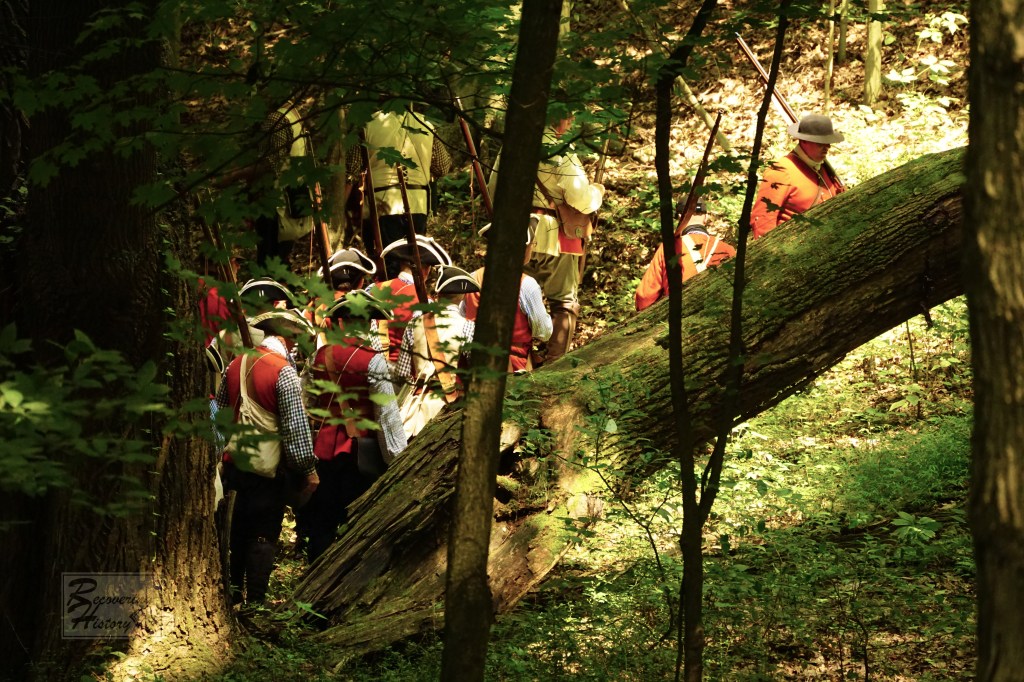
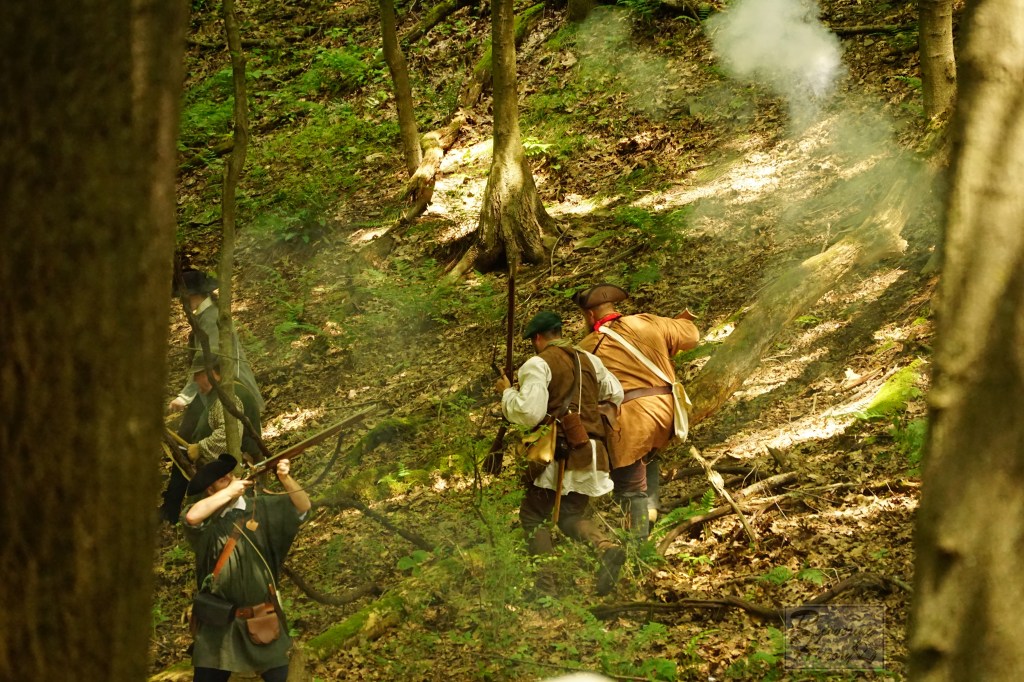
A “running kind of fight” began after Henry Bouquet’s column was ambushed by Pontiac’s warriors at Bushy Run, also called Edge Hill. Shawnee, Delaware, and Mingo warriors would surround the column in an all day battle before hunkering down at nightfall. Creating an impromptu rampart of flour bags provided from the supply train, Bouquet created a defensive line in anticipation of the Native American attack the next day. Morning would bring Pontiac’s warriors attacking the flour bag ramparts in force. Using the feint of a rout, Bouquet and English bayonets pulled the column out of a tight spot eking out a pyrrhic victory.
The Native Americans would retire from the field after the second day of fighting with casualties between 20 and 60. The English column would carry on to Fort Pitt, breaking Pontiac’s siege of the fort. They would have approximately 85 total casualties. The legacy of Bushy Run in the wider context of Pontiac’s War is that Bouquet would go on to enforce English supremacy throughout the Ohio country from his base at Fort Pitt. While the English from Fort Niagara proved to be massacred at the Battle of Devil’s Hole a month later, Bouquet and the added English soldiers became a factor in diplomacy of the frontier thereafter.
Initially seen as a defeat for the Native Americans, Pontiac’s War brought negotiations between the English and Native Americans on a more equal footing (Carley, 212). It created a higher desire for the English to regulate settlement past the 18th century frontier (Dowd, 264). While bloodshed between Native and Euro-american colonizers would continue for centuries, Pontiac’s War carried on the bloody circumstances first witnessed between the colonizer and natives during the French and Indian War. While the Crown expressed willingness to regulate migration across the Line of Property and Hard Labor line, ensuring colonists adhered to that line was another thing (Oberg, 105).
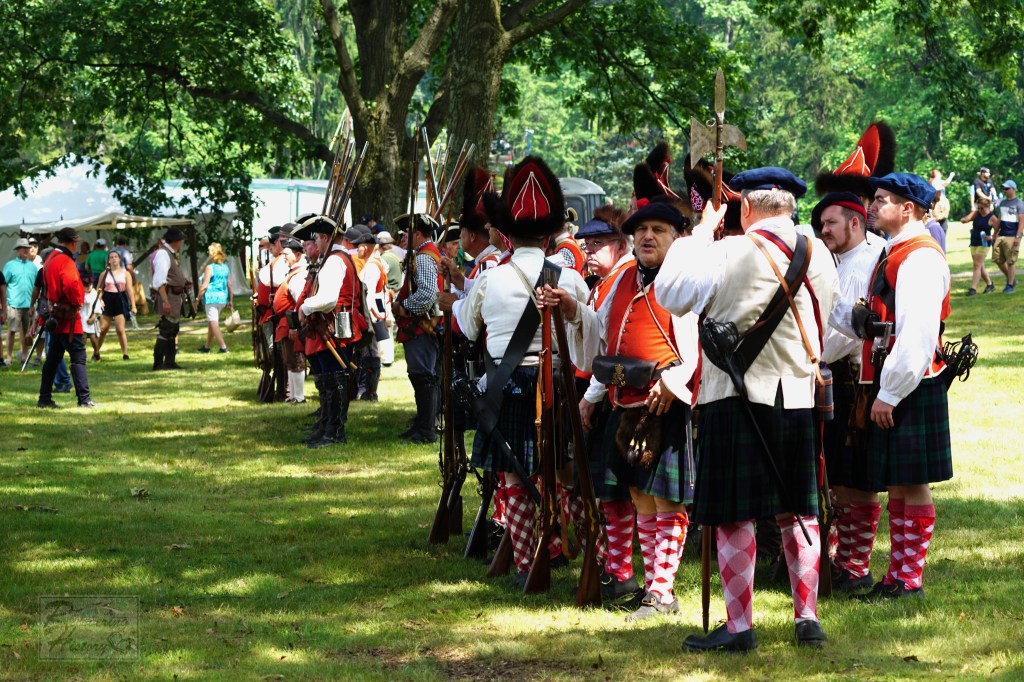
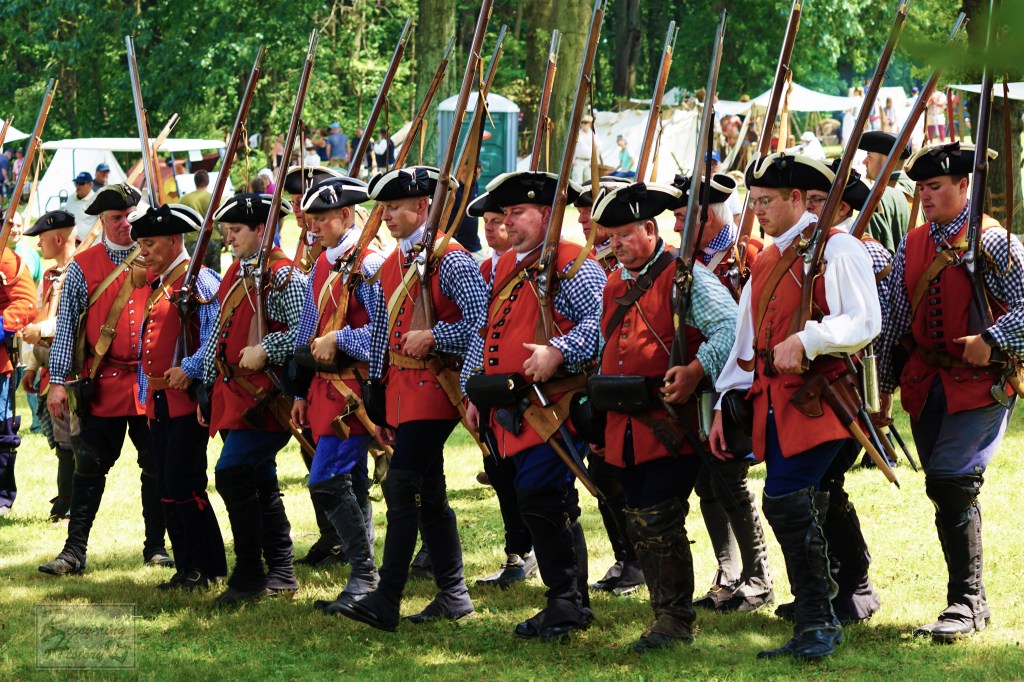
On Saturday, I took my first visit out to the Bushy Run Battlefield Park in Jeanette, PA operated by the Pennsylvania Historical and Museum Commission as well as the Bushy Run Battlefield Heritage Society, Inc. TribLive has a great write up available.
Works Cited
Colin Galloway, The Scratch of a Pen (New York, NY: Oxford University Press, 2006).
Georgia Carley, “Cost, Commodity, and Gift: The Board of Trade’s Conceptualization of British–Native American Gift Giving during Pontiac’s War,” Early American Studies Vol. 14, No. 2 (Spring 2016), 203-224.
Gregory Evans Dowd, War Under Heaven (Baltimore, MD: Johns Hopkins University Press, 2002).
Michael Oberg, Native America: A History (Hoboken, NJ: John Wiley & Sons, Inc., 2010).


 Recovering History
Leave a comment